
Rwanda rolls out new tax reforms to boost revenue collection
The Rwandan government Friday announced wide ranging tax reforms it said are aimed at boosting tax compliance while mobilizing adequate domestic resources for sustainable country’s development.

A statement issued by the Ministry of Finance and Economic Planning showed that the government has reduced corporate income tax from 30 percent to 28 percent and slashed taxes on high end products to help boost the country’s tourism and Meetings, Incentives, Conferences and Exhibitions (MICE) sectors.
The target is to reduce corporate income tax to 20 percent in the medium term to improve Rwanda’s competitiveness and position the country as a preferred African investment destination, the ministry said.
On high end products especially beverages, for example wine will be taxed up to 50,000 Rwandan francs of value, meaning the excise duty cannot exceed 35,000 Rwandan francs per liter, it said.
The new rate applied on land tax has been set between 0 to 80 Rwandan francs per square meter down from 0 to 300 Rwandan francs while the tax rate for commercial buildings was slashed from 0.5 percent of its market value to 0.3 percent on both the building and land.
“Focusing on corporate income tax, value added tax and excise duty, the tax reforms will reduce tax rates, broaden the tax base, improve tax compliance while ensuring that tax revenues increase by at least 1 percent of gross domestic product (GDP) by the financial year 2025-26,” the statement said.
The government also waived some fees previously charged by decentralized entities on documents or services.
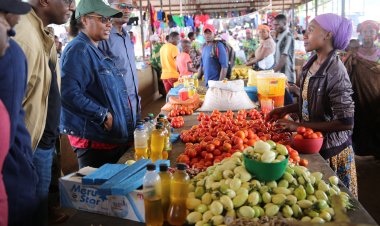
The latest announcement came days after the government on Wednesday announced a waiver of 18 percent value added tax (VAT) on maize flour and rice in a move aimed at taming skyrocketing food prices in the country.
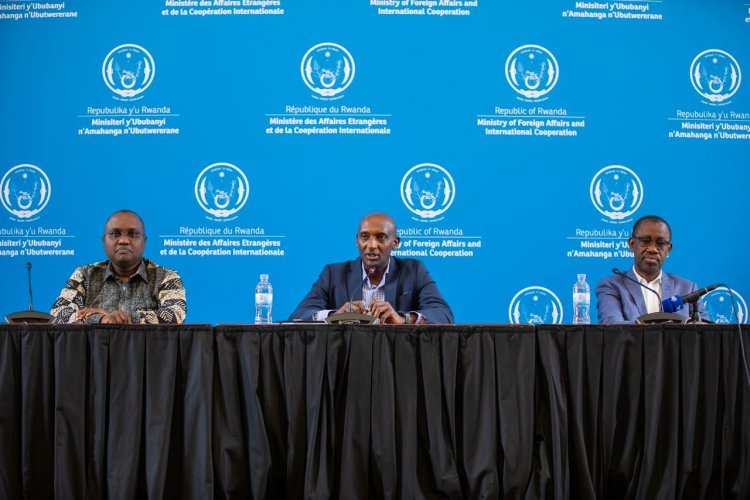
“The tax reforms will reduce tax burden on Rwandans, increase the tax base, support food security and attract investments to ensure our medium to long term development objectives are achieved,” Richard Tusabe, the Minister of State in the Finance Ministry told reporters.