
Rwanda extends business recovery support program for 2 years
The Rwandan government has extended by two years a program designed to boost the country’s economic recovery following the COVID-19 recession, the Prime Minister Edouard Ngirente announced on Monday.
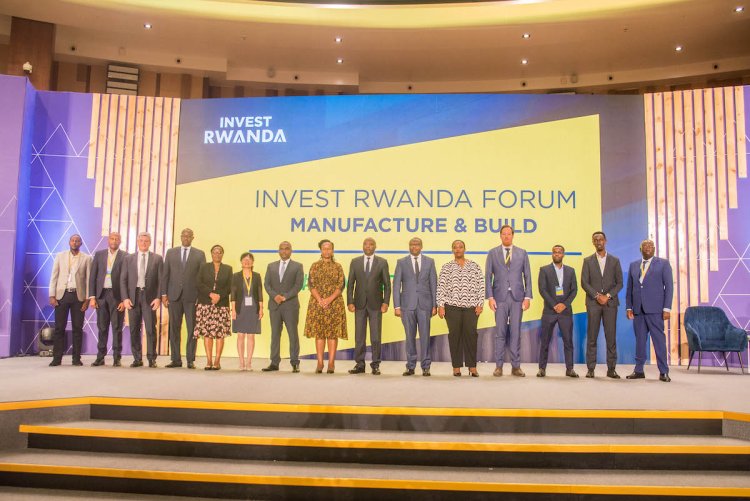

Dubbed Manufacturing and Build to Recover Program, the initiative was introduced in 2020 to offer specific incentives such as tax breaks to private sector businesses with the aim to reduce the cost of investment and encourage local production.
The program was initially supposed to last until 2022 after creating 27,000 jobs.
But speaking at a two-day national forum known as National Dialogue Council in Kigali, the capital city of Rwanda, the premier said the extension is necessary to further stimulate the country’s economic activity through job creation.
“We continue to support the private sector to recover from effects of COVID-19 and continue to expand their businesses and that is why we have decided to extend the program by two more years,” said Ngirente.
“This will help investors to reduce different costs, help existing industries to expand and reduce the country's imports. It will focus on increasing investment in agriculture and construction,” he said.
The program has targeted more than 100 projects worth 1.8 billion U.S. dollars expected to employ more than 36,000 people, according to the premier.
It targeted sectors such as agro-processing, including value addition to agriculture produce and light manufacturing of consumer goods, according to information from the Rwanda Development Board.
Presided over by Rwandan President Paul Kagame, the forum attended by more than 1500 people will be used to reflect on post-pandemic recovery, the progress towards the country’s agenda 2050 and the execution status of the National Strategy for Transformation, a seven-year government program launched in 2017.
Participants include ministers, parliamentarians, representatives of the Rwandan community abroad, local government leaders, ordinary citizens and members of the diplomatic community among others.