
50M people worldwide in modern slavery: Report
Fifty million people were living in modern slavery in 2021, according to the latest global estimates of modern slavery report. Of these people, 28 million were in forced labour and 22 million were trapped in forced marriage.
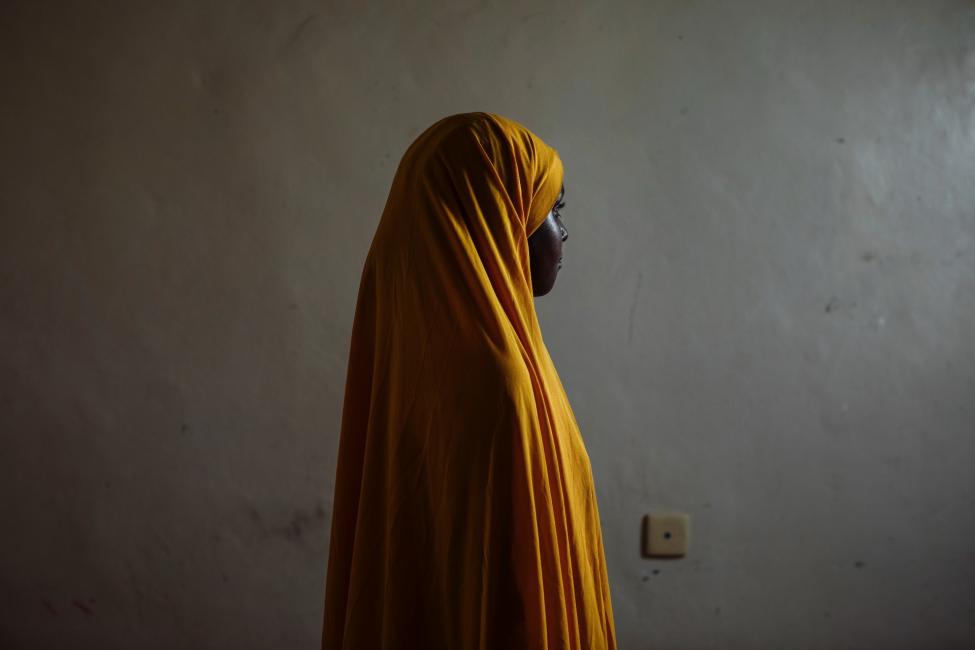

Modern slavery, according to the report, is comprised of two principal components – forced labour and forced marriage.
Latest estimates show that forced labour and forced marriage have increased significantly in the last five years, according to the International Labour Organization (ILO), Walk Free and the International Organization for Migration (IOM).
The number of people in modern slavery has risen significantly in the last five years. Ten million more people were in modern slavery in 2021 compared to 2016 global estimates. Women and children remain disproportionately vulnerable.
Modern slavery occurs in almost every country in the world, according to the report, and cuts across ethnic, cultural and religious lines.
More than half (52%) of all forced labour and a quarter of all forced marriages can be found in upper-middle income or high-income countries.
Forced labour
Most cases of forced labour (86%) are found in the private sector. Forced labour in sectors other than commercial sexual exploitation accounts for 63% of all forced labour, while forced commercial sexual exploitation represents 23% of all forced labour. Almost four out of five of those in forced commercial sexual exploitation are women or girls.
State-imposed forced labour accounts for 14% of people in forced labour.
Almost one in eight of all those in forced labour are children (3.3 million) with more than half of these in commercial sexual exploitation.
Forced marriage
The report showed that an estimated 22 million people were living in forced marriage on any given day in 2021. This represents an increase of 6.6 million since the 2016 global estimates.
The true incidence of forced marriage, particularly involving children aged 16 and younger, is likely far greater than current estimates can capture.
These, according to the report are based on a narrow definition and do not include all child marriages. Child marriages are considered to be forced because a child cannot legally give consent to marry.
Forced marriage is closely linked to long-established patriarchal attitudes and practices and is highly context-specific.
The overwhelming majority of forced marriages (more than 85%) was driven by family pressure.
Although two-thirds (65%) of forced marriages are found in Asia and the Pacific, when regional population size is considered, the prevalence is highest in the Arab States, with 4.8 people out of every 1,000 in the region in forced marriage.
Migrants particularly vulnerable to forced labour
The report said migrant workers are more than three times more likely to be in forced labour than non-migrant adult workers.
“It is shocking that the situation of modern slavery is not improving. Nothing can justify the persistence of this fundamental abuse of human rights,” said ILO Director-General, Guy Ryder.
“We know what needs to be done, and we know it can be done. Effective national policies and regulation are fundamental. But governments cannot do this alone. International standards provide a sound basis, and an all-hands-on-deck approach is needed. Trade unions, employers' organizations, civil society and ordinary people all have critical roles to play.”
Antonio Vitorino, IOM director general, said the report underscored the urgency of ensuring that all migration is safe, orderly, and regular.
“Reducing the vulnerability of migrants to forced labour and trafficking in persons depends first and foremost on national policy and legal frameworks that respect, protect, and fulfill the human rights and fundamental freedoms of all migrants – and potential migrants – at all stages of the migration process, regardless of their migration status,” said Vitorino.
“The whole of society must work together to reverse these shocking trends, including through implementation of the Global Compact for Migration.”
Grace Forrest, Founding Director of Walk Free, said modern slavery is the antithesis of sustainable development.
“Yet, in 2022, it continues to underpin our global economy. It is a man-made problem, connected to both historical slavery and persisting structural inequality. In a time of compounding crises, genuine political will is the key to ending these human rights abuses.”
Ending modern slavery
The report proposed improving and enforcing laws and labour inspections; ending state-imposed forced labour; stronger measures to combat forced labour and trafficking in business and supply chains.
It also called for extension of social protection, and strengthening legal protections, including raising the legal age of marriage to 18 without exception, addressing the increased risk of trafficking and forced labour for migrant workers as well as promoting fair and ethical recruitment, and greater support for women, girls and vulnerable individuals.