
Rwanda’s 2026/27 budget prioritizes agriculture, economic stability
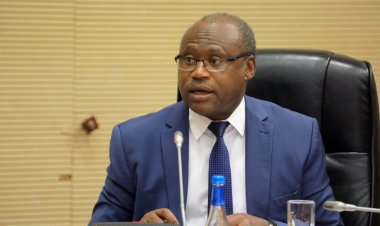
Rwanda’s Minister of Finance and Economic Planning Yusuf Murangwa Thursday unveiled the national budget for the fiscal year 2026/27 set to begin on July 1, with estimated resources projected at 7.7 trillion Rwandan francs prioritizing agriculture, jobs and economic stability.
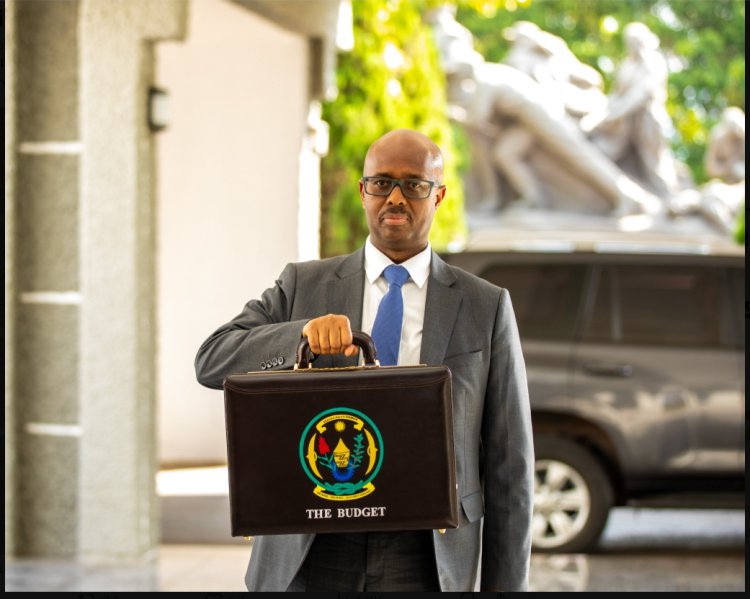

Presenting the budget in Parliament in the capital Kigali, Murangwa said next fiscal year’s budget increased by 12%, representing 844.2 billion Rwandan francs compared to the revised 2025/26 budget of 6.9 trillion.
He said domestic revenue is projected at 5,273.8 billion, foreign grants are expected to reach 548.3 billion, while external loans are 1,974.1 billion.
Together, domestically generated resources and external borrowing account for 93% of the 2026/27 national budget, he noted.
“This budget reflects the realities of a challenging global environment while staying focused on what matters most, including boosting agriculture, creating jobs, and building a resilient economy,” Murangwa said.
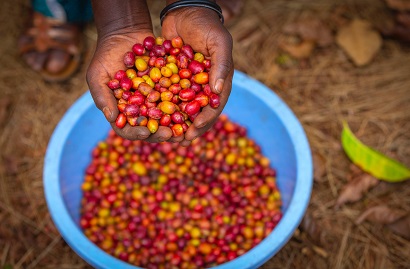
He added that the government has prioritized agriculture inputs and irrigation, continued investment in infrastructure and energy and made room to protect the most vulnerable people.
“The goal is to accelerate implementation of our development programs without compromising macro-economic stability,” he said.
According to the ministry, 63% of the budget has been allocated to economic transformation.
Funding will accelerate inclusive growth in agriculture, expand access to electricity, water, while additional resources will support climate resilience, local manufacturing and export growth, the ministry said in a statement.
In social transformation, 22 percent of the budget will be used to improve healthcare quality and education outcomes as well as enhance disaster management programs.
Rwanda’s economy remained resilient, achieving a robust growth rate of 9.4% in 2025, exceeding the previously projected 7%, according to the ministry.